

redação nota mil



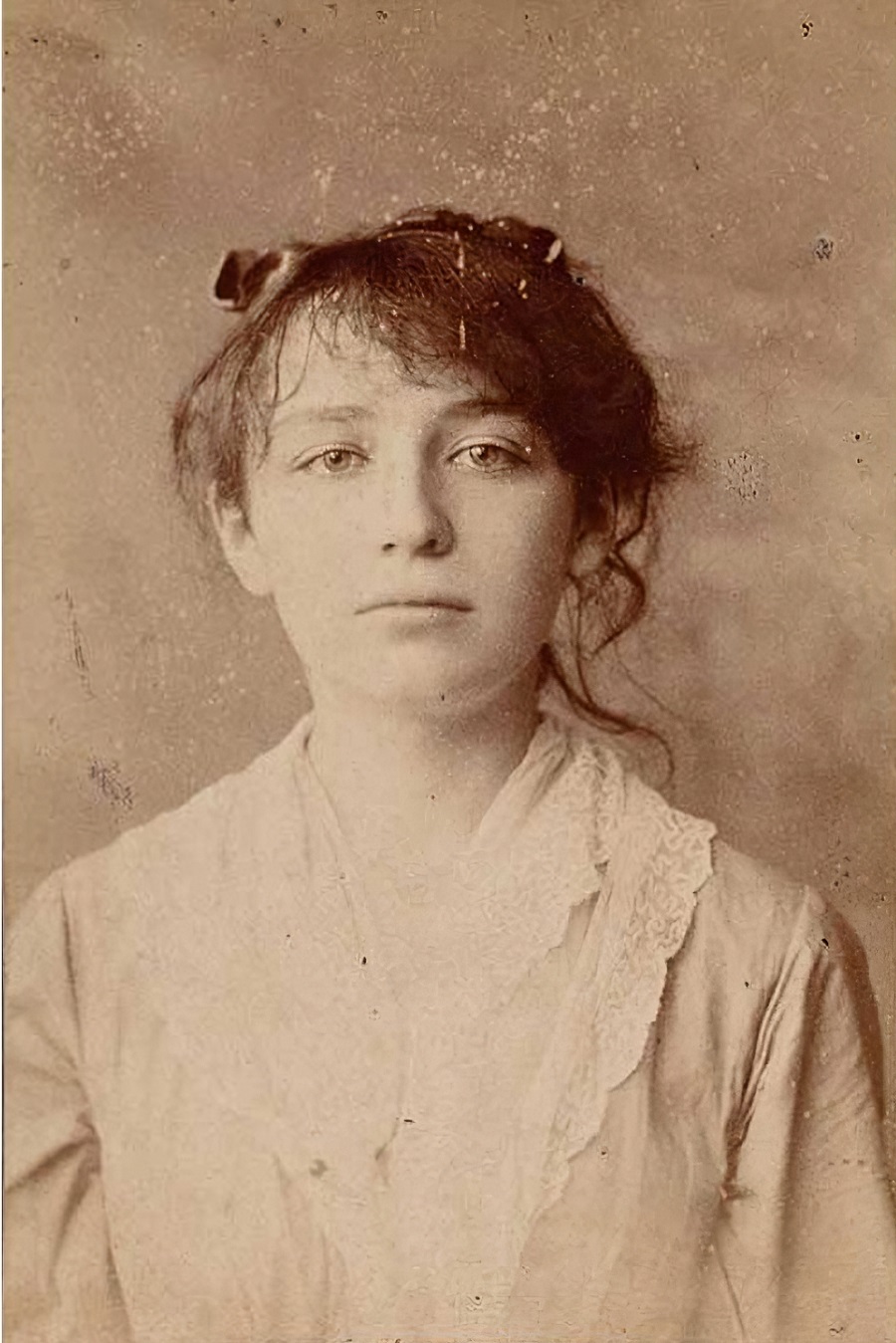
Camille Claudel was a French sculptor. She is known for her powerful and emotionally charged sculptures, which often portrayed human figures in moments of intense emotion or turmoil.
Claudel studied art in Paris under the tutelage of Auguste Rodin, and the two became lovers and collaborators for several years. Her work was heavily influenced by Rodin's style, and she often portrayed human bodies with a sense of fluidity and movement that was characteristic of his work.
Claudel's sculptures were praised for their technical skill and emotional intensity, but she struggled to gain recognition as an artist in her own right. She was frequently dismissed as simply a student of Rodin, and her personal life was marked by a series of setbacks and tragedies.
In 1913, Claudel suffered a nervous breakdown and was committed to a mental institution by her family, where she remained for the rest of her life. Her work was largely forgotten until the late 20th century, when a renewed interest in her life and career led to a reassessment of her place in the history of modern art. Today, her sculptures are celebrated for their technical virtuosity and emotional power, and her story has become an inspiration to many artists and scholars.
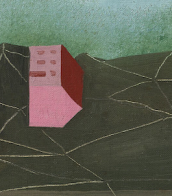


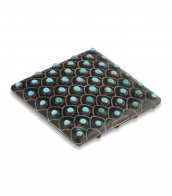
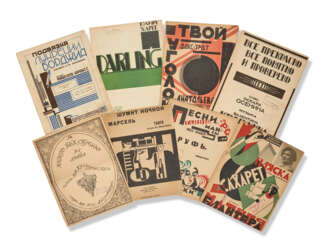






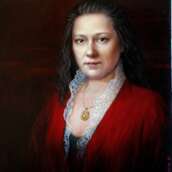


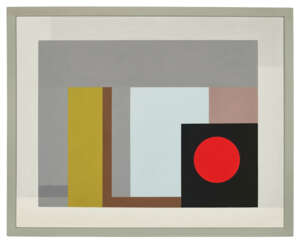

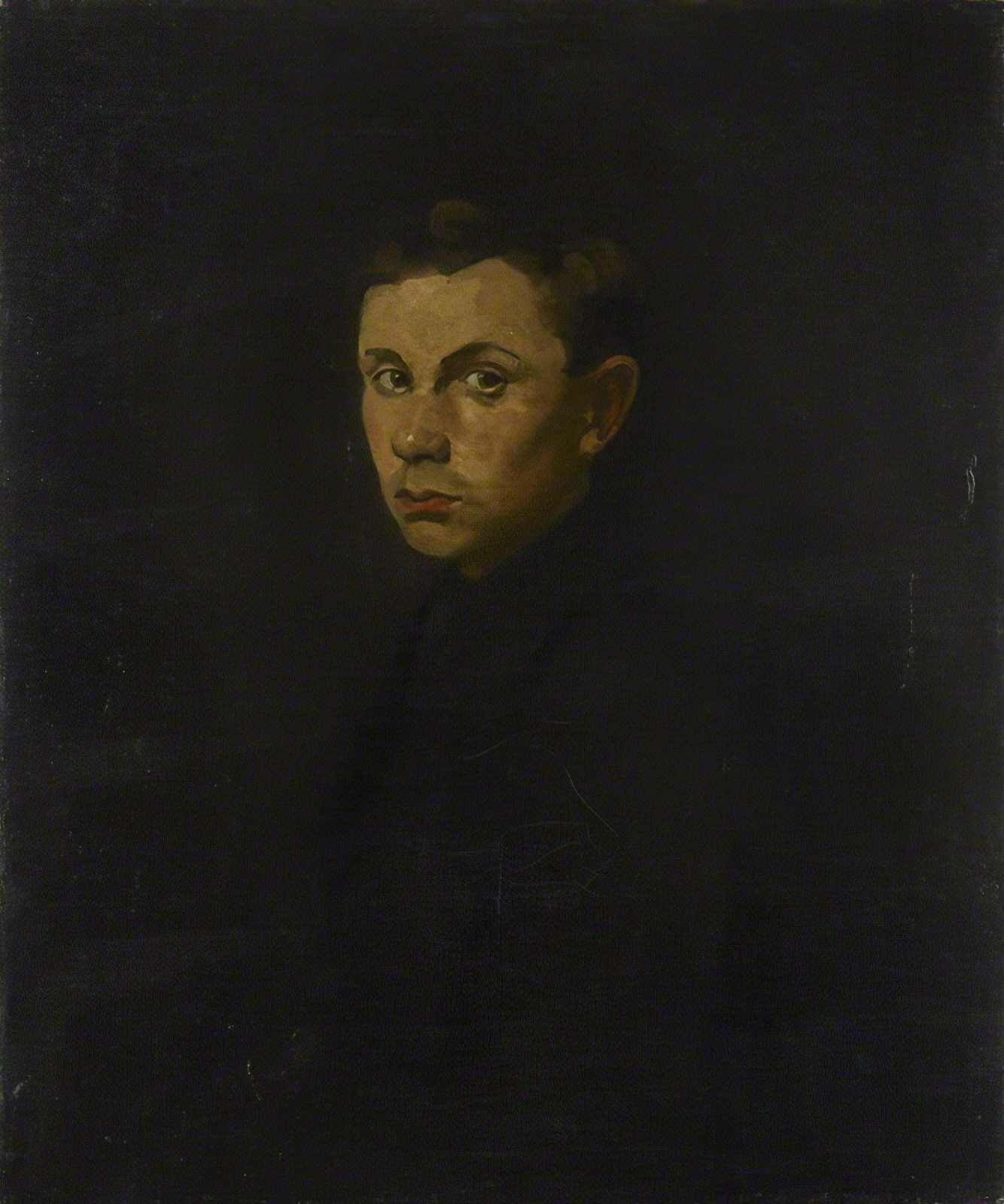
Ben Nicholson, an English artist, is celebrated for his significant contributions to abstract art. Born into an artistic family, Nicholson's work evolved from figurative art to embrace and lead in the development of abstract art in Britain. His early career was marked by experimentation with Cubism and interaction with influential artists like Barbara Hepworth, Henry Moore, Piet Mondrian, and Pablo Picasso, which profoundly shaped his artistic direction.
Nicholson's art is notable for its sensitive balance of tone and texture, employing dynamic and rhythmic lines that abstractly reference architectural forms and societal structures. His technique involved meticulous carving, painting, and the innovative use of color, especially in his later works where he explored the interplay of light and form to create poetic, abstract landscapes. His contributions were not just confined to his own practice; through collaborative projects and influential writings, he played a pivotal role in the discourse of modernist art, advocating for abstract art's broader appreciation.
Noteworthy pieces of Nicholson's work, including "March 1963 (Archimedes)" and "June 1961 (green goblet and blue square)," among others, are housed in prestigious collections like the Tate Gallery, Tate St Ives, Kettle's Yard Art Gallery in Cambridge, The Hepworth Wakefield, Pallant House Gallery in Chichester, and the Pier Arts Centre in Stromness, Orkney.
Nicholson's legacy as a pioneer of abstract art in the UK is secured through his innovative approaches and influential partnerships, which have left an indelible mark on the landscape of 20th-century art. His work continues to inspire and resonate, reflecting a deep understanding of the abstract's power to express the complexities of human experience and the natural world.
For collectors and experts in art and antiques interested in the pivotal movements of 20th-century art, Ben Nicholson's oeuvre offers a rich field of study and appreciation. To stay updated on new product sales and auction events related to Ben Nicholson's work, signing up for updates is a step towards deepening your understanding and appreciation of this key figure in modernist art.
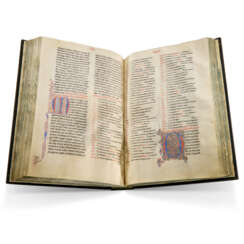
![O primeiro[-quinto] livro das ordenaçoẽs](/assets/image/picture_4944552/4231c/b426523863a4da15a9ae5e4b1348fe611759413600jpg__fix_374_244.jpeg)
![O primeiro[-quinto] livro das ordenaçoẽs](https://veryimportantlot.com/assets/image/picture_4944552/4231c/b426523863a4da15a9ae5e4b1348fe611759413600jpg__fix_374_244.jpeg)



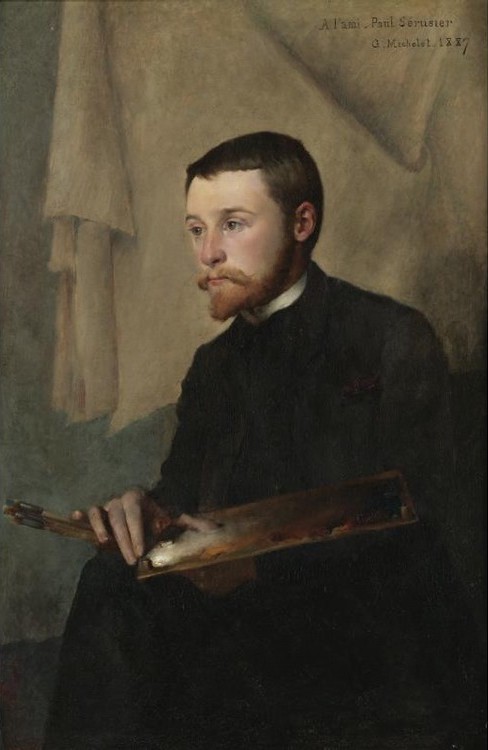
Paul Sérusier was a French Post-Impressionist painter and theorist, notable for his significant contributions to the art movement known as the Nabis. Born in Paris on November 9, 1864, Sérusier's work is characterized by its expressive use of color and pattern, inspired by the techniques of Paul Gauguin. He is best known for his exploration of color, sensation, and abstraction, particularly evident in works like "Le Talisman, the Aven River at the Bois d'Amour" (1888). This painting marks a departure from the Impressionists' more faithful representation of observed reality, focusing instead on translating sensations onto the canvas with vibrant brushstrokes and an emphasis on emotional expression over visual accuracy.
Sérusier's paintings often feature the landscapes and people of Brittany, notable for their contemplative mood achieved through firm contours and blocks of unmodulated color. His style evolved under the influence of Synthetism and Cloisonnism, favoring flattened forms and large swathes of color, as seen in "Farmhouse at le Pouldu" (1890). This approach reflects a decorative organization of objects, emphasizing the craft and execution of the scene.
Some of Sérusier's notable works are housed in prestigious museums such as the Musée d'Orsay in Paris, including "Portrait of Paul Ranson in Nabi Costume" (1890) and "Landscape" (1912). His legacy extends beyond his own artworks; he was a key figure in the formation of the Nabis movement, and his theoretical contributions have had a lasting impact on the art world.
For collectors and experts in art and antiques, Sérusier's work represents a unique blend of post-impressionist and symbolist styles, making his pieces highly valued both for their historical significance and their aesthetic appeal. To stay updated on new product sales and auction events related to Paul Sérusier, sign up for our updates. This subscription service is exclusively focused on providing information related to Sérusier's work, ensuring you remain informed about opportunities to acquire pieces by this influential artist.


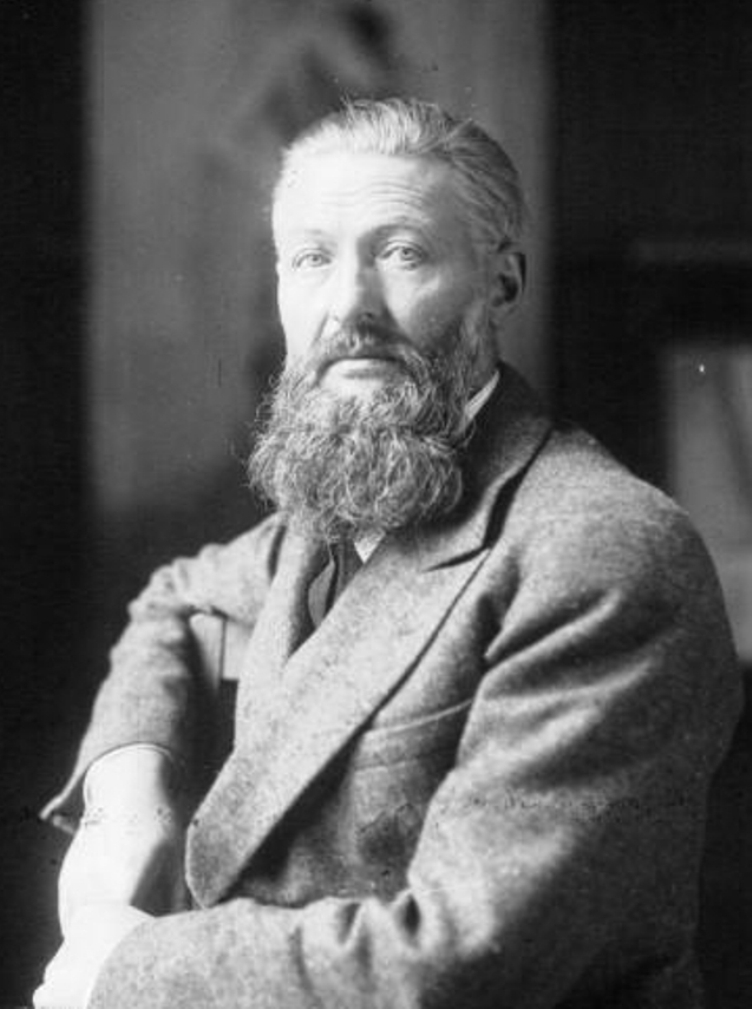
Kees van Dongen was a Dutch-French painter renowned for his vivid and expressive works that placed him at the forefront of the Fauvist movement. Born in 1877 in Delfshaven, Netherlands, van Dongen's journey into the art world began with his education at the Akademie voor Beeldende Kunsten in Rotterdam. His move to Paris in 1897 marked a pivotal moment in his career, immersing him in the bustling avant-garde scene and connecting him with influential circles, including Pablo Picasso and the Fauves. Van Dongen's art, characterized by its striking use of color and bold brushwork, captured the essence of his subjects with a unique blend of realism and abstraction.
Van Dongen's work evolved significantly over time, initially influenced by the dark tones of his Dutch heritage and the works of Rembrandt. His encounter with Fauvism around 1906 brought a dramatic shift towards brighter, more vibrant colors, marking his most iconic phase. His ability to capture the sensuousness and personality of his subjects made him a sought-after portraitist among the French bourgeoisie and celebrities of his time. Notable works include "Femme aux bas noirs" (Woman with Black Stockings), "Les lutteuses" (Lutteuses du Tabarin), and "The Dancer Anita," showcasing his fascination with the human figure, particularly sensuous depictions of women.
Beyond his remarkable contributions to Fauvism, van Dongen's ventures into illustration and his role as a society portraitist underscore his diverse talents and adaptability to the changing tastes of the art market. His works are celebrated in major collections worldwide, including the Hermitage Museum and the National Gallery of Denmark, affirming his lasting impact on the art world.
Collectors and art experts continue to appreciate van Dongen's work for its bold experimentation with color, form, and the evocative portrayal of his subjects. His legacy lives on as a testament to the vibrancy and dynamism of early 20th-century modern art.
For those keen to explore van Dongen's captivating works further and stay informed about new discoveries, exhibitions, and auction events related to his art, signing up for updates is a must. This ensures direct access to the latest sales and scholarly insights into the painter's rich oeuvre, a valuable resource for collectors and enthusiasts alike.




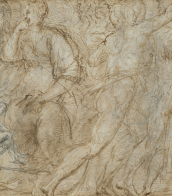
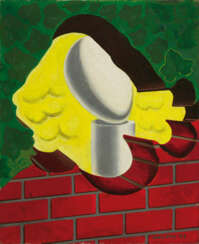

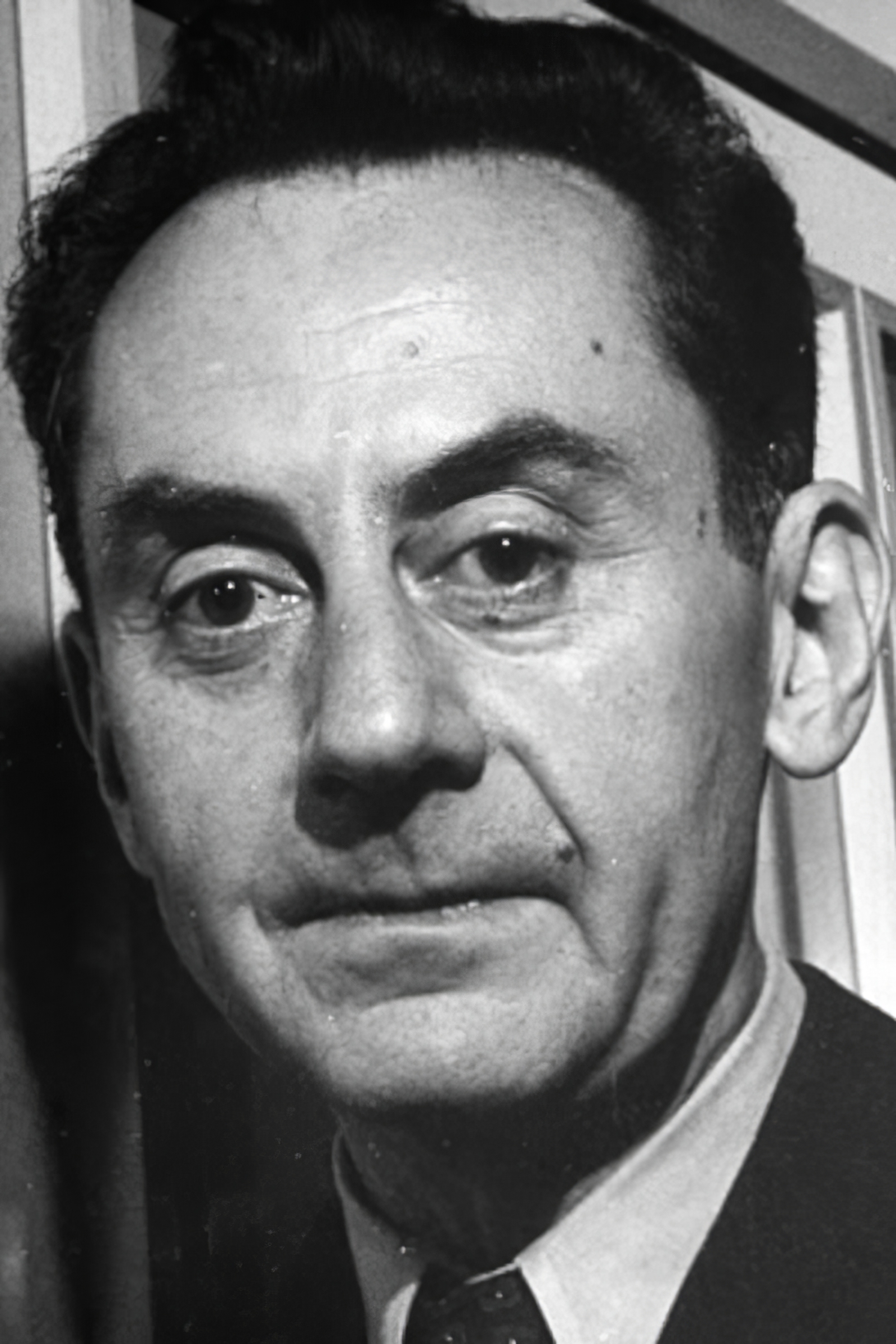
Man Ray, born Emmanuel Radnitzky, was an American visual artist who played a significant role in the Dada and Surrealist movements. His pioneering efforts in photography, alongside his work in painting and sculpture, have cemented his place as a major figure in modern art. Known for his innovative techniques and the ability to convey complex ideas through simple, striking visuals, Man Ray's contribution to the art world is profound.
Throughout his career, Man Ray was celebrated for his avant-garde approach and his ability to transcend traditional boundaries between different artistic mediums. His photography, characterized by experimental techniques such as solarization and rayographs (cameraless photographs), challenged conventional perceptions of photography as merely a means of representation. These artistic innovations made him a central figure in both Parisian and American art circles.
Man Ray's works are housed in some of the world's most prestigious museums and galleries, including the Museum of Modern Art in New York and the Centre Pompidou in Paris. His pieces, such as "Le Violon d'Ingres" and "Noire et Blanche," are iconic images that continue to influence artists today. His ability to blend the abstract with the realistic, and the humorous with the serious, has left a lasting legacy in the world of art.
For collectors and experts in art and antiques, the work of Man Ray offers a glimpse into the revolutionary changes that shaped the visual arts in the 20th century. His unique perspective and pioneering techniques continue to inspire and challenge those interested in the boundaries of creativity and expression.
If you're passionate about the avant-garde, or simply wish to explore the fascinating world of Man Ray further, sign up for our updates. You'll receive alerts on new product sales and auction events related to Man Ray, ensuring you never miss an opportunity to engage with the legacy of this extraordinary artist.
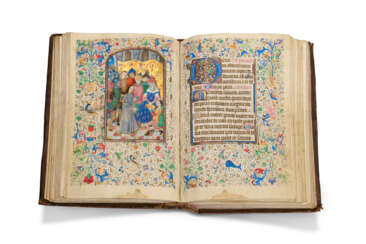



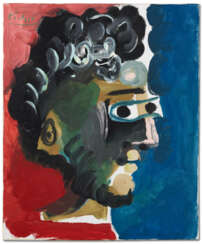

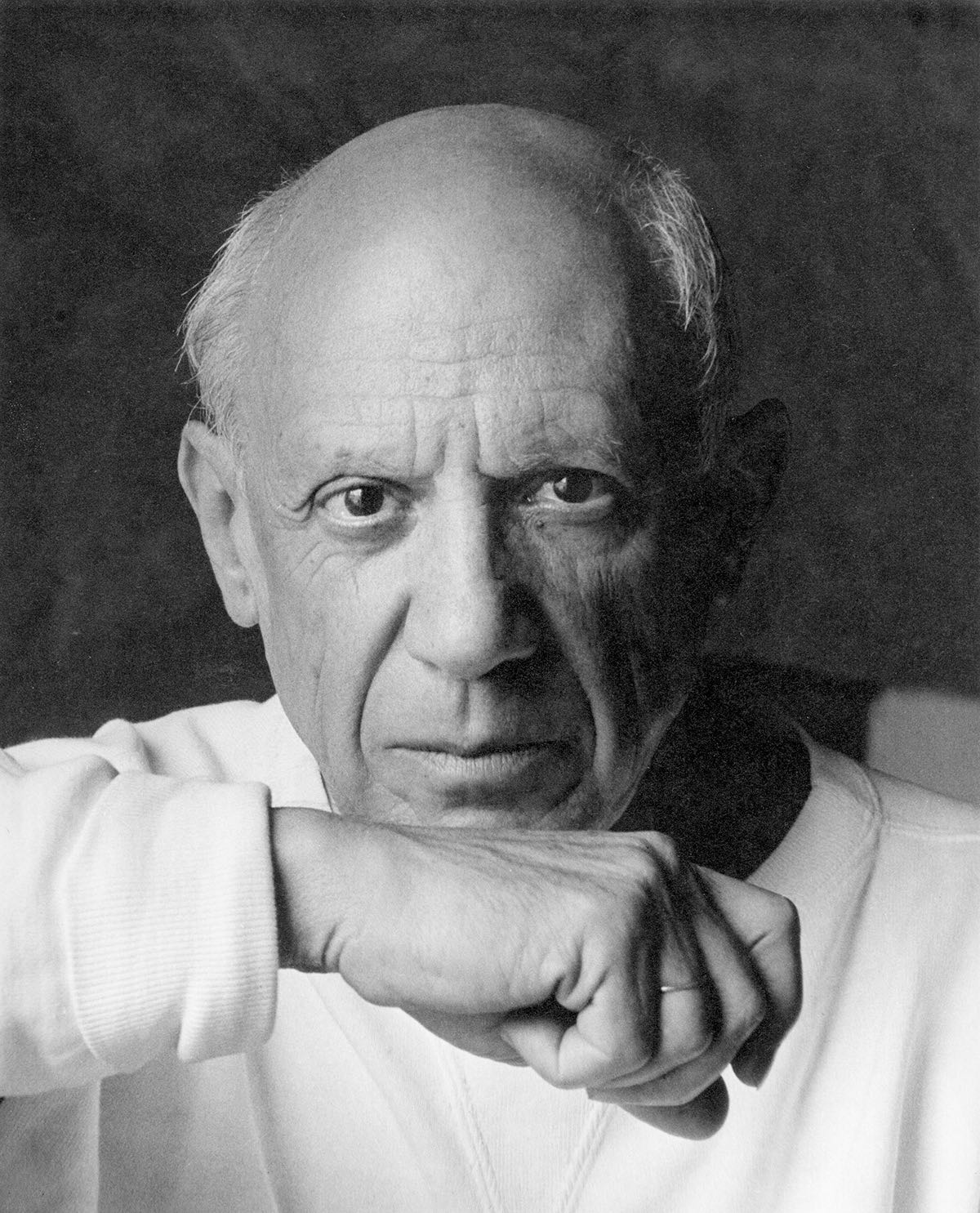
Pablo Ruiz Picasso, a Spanish artist renowned for his revolutionary contributions to the 20th-century art scene, is a figure that resonates profoundly with collectors and art experts. His unique blend of talents in painting, sculpture, printmaking, and ceramic art, infused with his time in France, positioned him as a pivotal character in modern art history.
Picasso's artistic journey was marked by distinct periods, each showcasing his evolving style and genius. His early years were characterized by the Blue Period (1901-1904), followed by the Rose Period (1904-1906), and then the African-influenced Period (1907-1909). Picasso's name is synonymous with Cubism, a movement he co-founded, which significantly altered artistic perspectives and methods. Works like "Les Demoiselles d'Avignon" (1907) and "Guernica" (1937) are emblematic of his cubist legacy, the latter being a poignant anti-war statement that remains influential.
His later years saw a return to more traditional styles, with neoclassical and surrealist influences becoming evident. Works from these phases reflect a deep engagement with mythological themes, as seen in "Faun with Stars" (1955), symbolizing his late-life romance with Jacqueline Roque, his second wife.
Picasso's prolific output and innovative spirit made him a legend in his own time, a status that only grew after his death. His works, housed in major museums and private collections worldwide, continue to captivate and inspire.
As a collector or expert in art and antiques, staying informed about Picasso's works, their auction events, and sales is essential. To stay updated on the latest developments and opportunities related to Pablo Picasso, sign up for our specialized updates. Rest assured, this subscription will focus solely on new product sales and auction events pertaining to Picasso's art, ensuring that you receive only the most relevant and valuable information.

.jpg)
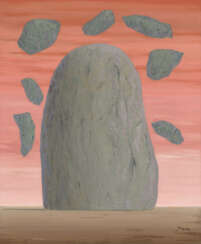
René Magritte, a Belgian artist, was renowned for his significant contributions to the Surrealist movement. His art, known for merging ordinary objects with bizarre, dream-like contexts, captivated the art world. Born on November 21, 1898, in Lessines, Belgium, Magritte's early artistic pursuits were impressionistic, transitioning through Cubism and Futurism influenced by artists like Jean Metzinger. However, his encounter with Giorgio de Chirico's work in 1922 steered him towards Surrealism.
Magritte's career was marked by various phases, each showcasing his evolving style and thematic focus. His initial foray into Surrealism began in 1926 with "The Lost Jockey" and was further solidified during his time in Paris, where he mingled with other prominent Surrealists like André Breton. Despite facing initial criticism and financial challenges, Magritte's unique blend of familiar imagery in unfamiliar contexts, like in "The Empire of Light" and "Time Transfixed," earned him acclaim.
Magritte's distinct visual language, characterized by recurring motifs like bowler hats and apples, and his exploration of reality and illusion, remain influential. His works are displayed in major galleries worldwide, continuing to inspire and intrigue art collectors and enthusiasts.
For collectors and experts in art and antiques, staying informed about Magritte's works and related auction events is crucial. Signing up for updates ensures you're alerted to new sales and events focusing on René Magritte's art, offering unique opportunities to acquire or learn more about his remarkable creations. This subscription will exclusively cover new product sales and auction events related to Magritte, keeping you updated on the most relevant information in the art world.
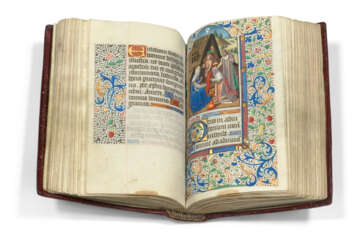

Maître François was a French illustrator who worked in Paris in the 1460s-1480s.
The identity of Maître François as an artist is first mentioned in a letter written by Robert Gauguin in 1473. Most of the prestigious commissions from the court and leading ecclesiastical figures of the time were carried out in François' studio. In Paris in the second half of the fifteenth century, one can trace the predominant style of illumination by the works of Master Jean Rolin, Maître François, and Master Jacques de Besançon. Bibliophiles close to the royal court encouraged the work of miniaturists through private commissions. In particular, Jacques d'Armagnac owned six manuscripts of Maitre Francois and his entourage.
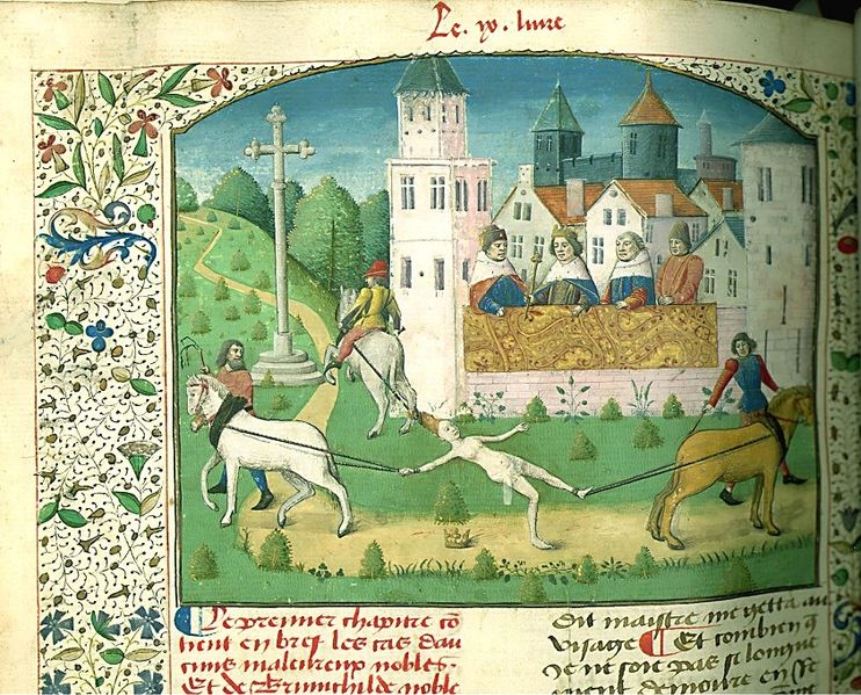
Boccaccio's De casibus virorum illustrium was very popular in the 15th century, where the author retells the fates and downfalls of famous personalities from the Bible, antiquity and medieval history, ending with Boccaccio's own contemporaries in 14th-century Florence. For a long time this book was even more famous and successful than Boccaccio's Decameron. The text was translated into French in 1409 for Jean, Duke de Berry, by his secretary Laurent Premieffe. And the illustrations for the book were later created in the workshop of the then respected Maître François.
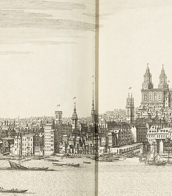
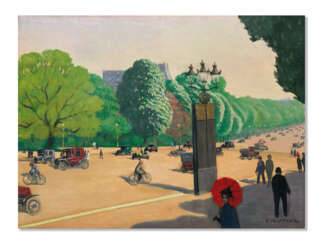

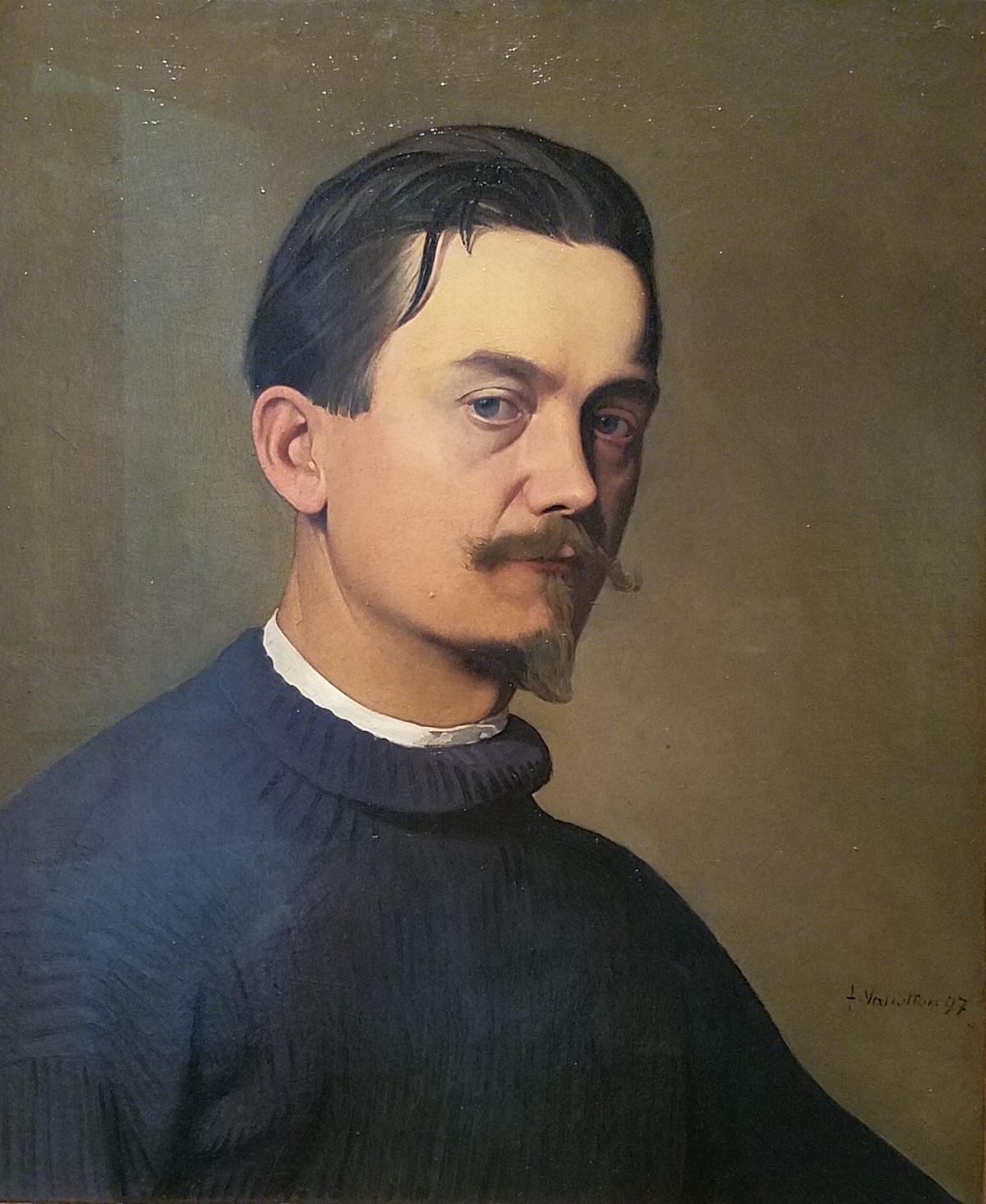
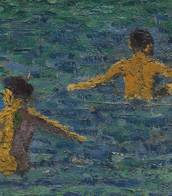
Félix Vallotton, a Swiss-born French graphic artist and painter, is recognized for his distinctive woodcuts and paintings of nudes and interiors. Vallotton's journey into art began in Paris, where he attended the Académie Julian, fostering a unique style that broke from traditional norms. His early works, characterized by extreme realism, were showcased at the Salon des Artistes Français and the Paris Universal Exposition of 1889. This period also marked Vallotton's encounter with Japanese prints, notably those by Hokusai, profoundly influencing his artistic direction.
In 1892, Vallotton joined Les Nabis, a group of avant-garde artists including Pierre Bonnard, Maurice Denis, and Édouard Vuillard, which led to a significant evolution in his style. His paintings from this era, such as "Bathers on a Summer Evening" and "Moonlight," exhibited at the Kunsthaus Zürich and the Musée d'Orsay respectively, reveal a departure from realism towards a more symbolic and abstract representation. The works from this period are characterized by flat areas of color, hard edges, and simplified details, mirroring the style he developed in his woodcuts.
Vallotton's woodcuts, like "Intimités" (Intimacies), a series published in 1898, showcased his mastery in capturing the nuances of human relationships, particularly the tensions between men and women. His graphic art, which included depictions of domestic scenes, bathing women, and street crowds, was not just celebrated in Europe but also influenced artists like Edvard Munch, Aubrey Beardsley, and Ernst Ludwig Kirchner.
Towards the end of his career, Vallotton continued to innovate, combining elements of realism and abstraction, evident in paintings like "La Malade" (The Sick Girl) and "Clair de lune" (Moonlight). His works remain a testament to his ability to merge technical precision with a poignant exploration of human emotions and societal themes.
For art collectors and experts, Vallotton's body of work offers a rich and diverse exploration of early 20th-century art movements, especially his role in the development of modern woodcut techniques and his contribution to the Nabis movement. His works are a study in the fusion of realism and symbolism, marked by a distinctive style that makes his art enduringly relevant and compelling.
For those interested in discovering more about Félix Vallotton and staying updated on related product sales and auction events, signing up for updates is a great opportunity. This subscription will exclusively alert you to new sales and events pertaining to Vallotton's works, ensuring you remain informed in the dynamic world of art and antiques.
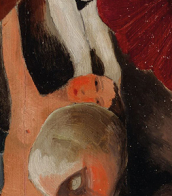
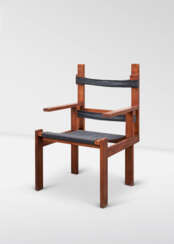

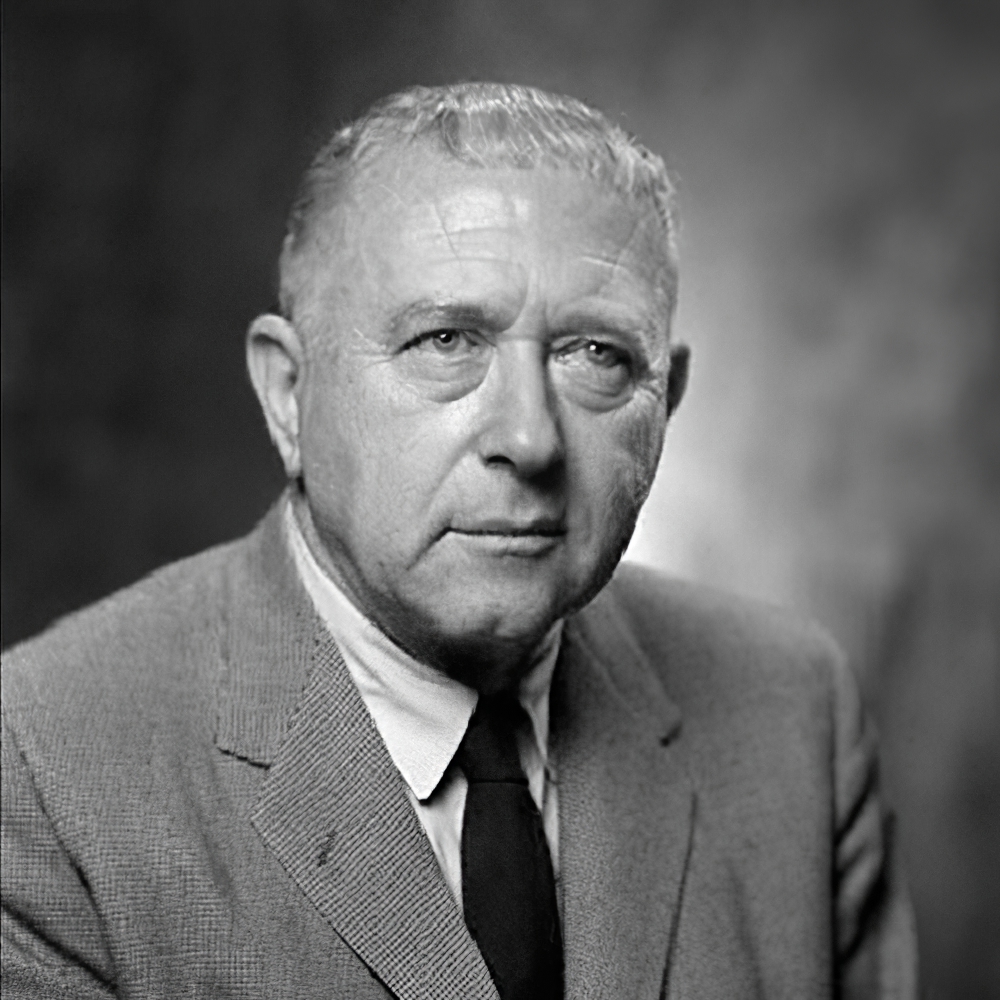
Marcel Lajos Breuer was a Hungarian American modernist architect and furniture designer. He moved to the United States in 1937 and became a naturalized American citizen in 1944.
At the Bauhaus he designed the Wassily Chair and the Cesca Chair, which The New York Times have called some of the most important chairs of the 20th century. Breuer extended the sculpture vocabulary he had developed in the carpentry shop at the Bauhaus into a personal architecture that made him one of the world's most popular architects at the peak of 20th-century design. His work includes art museums, libraries, college buildings, office buildings, and residences. Many are in a Brutalist architecture style, including the former IBM Research and Development facility which was the birthplace of the first personal computer. He is regarded as one of the great innovators of modern furniture design and one of the most-influential exponents of the International Style.



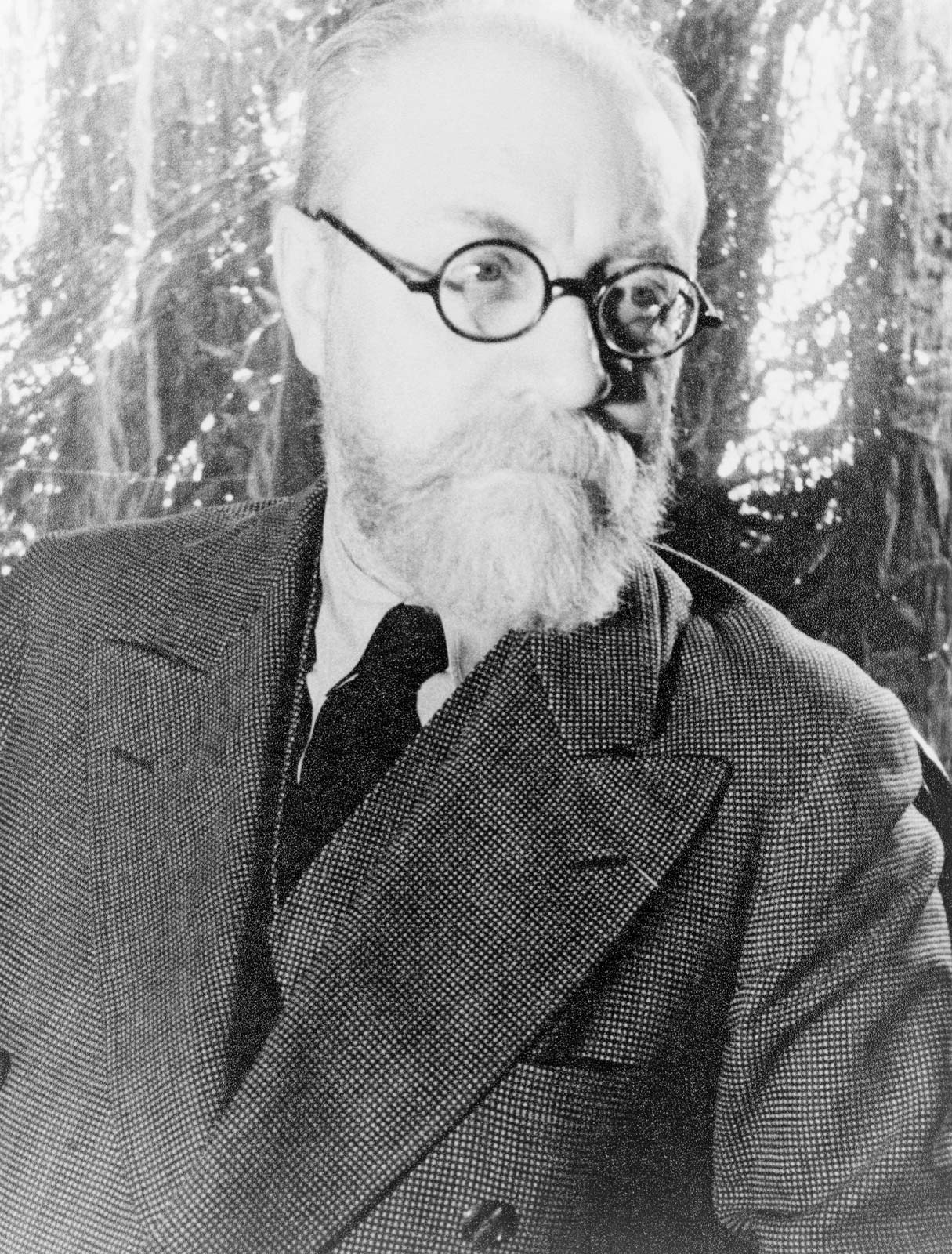
Henri Matisse, a renowned French visual artist, was celebrated for his vibrant use of color and fluid, original draughtsmanship. Born on December 31, 1869, in Le Cateau-Cambrésis, France, Matisse initially pursued a career in law before turning to art. He first began painting in 1889, a change inspired by convalescence art supplies his mother provided. This marked the beginning of a journey that would see him become a leading figure in modern art.
Matisse's career is notable for its stylistic evolution yet consistent aim to capture the "essential character of things." His early works, characterized by intense colorism, earned him recognition as one of the Fauves, or "wild beasts." The period from 1908 to 1913 was marked by significant developments, with works like "Reclining Odalisque" and "The Red Studio" showcasing his mastery in balance and serenity. In the 1920s, his style evolved to more relaxed forms, with a focus on light, color, and decorative patterns in paintings like his odalisque series.
Matisse's exploration of various mediums, including sculpture and paper collage, reflects his innovative spirit. His later years were dominated by cut paper collages, as health challenges limited his ability to paint. These works, alongside his bold drawings and sculptures, cemented his status as a pioneer in visual art.
For collectors and art experts, Matisse's work remains a testament to creative evolution and expressive use of color and form. His masterpieces can be found in prominent museums and galleries worldwide, continuing to inspire and fascinate art enthusiasts.
To stay updated on new product sales and auction events related to Henri Matisse's art, sign up for our updates. This subscription will keep you informed about opportunities to appreciate and acquire works connected to this iconic artist.
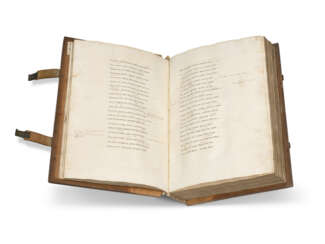

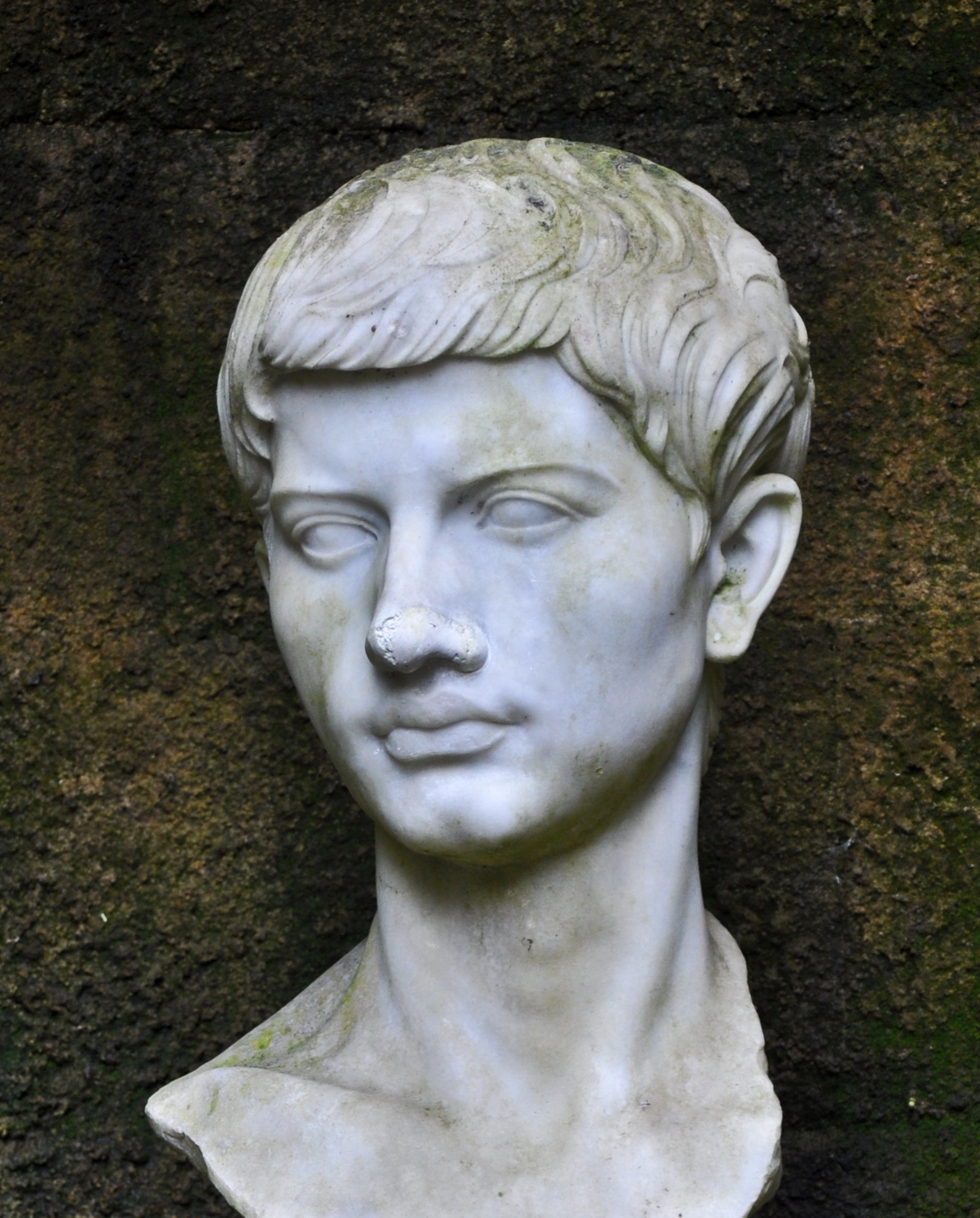
Publius Vergilius Maro, usually called Virgil or Vergil, was an ancient Roman poet of the Augustan period. He composed three of the most famous poems in Latin literature: the Eclogues (or Bucolics), the Georgics, and the epic Aeneid. A number of minor poems, collected in the Appendix Vergiliana, were attributed to him in ancient times, but modern scholars consider his authorship of these poems as dubious.
Virgil's work has had wide and deep influence on Western literature, most notably Dante's Divine Comedy, in which Virgil appears as the author's guide through Hell and Purgatory.
Virgil has been traditionally ranked as one of Rome's greatest poets. His Aeneid is also considered a national epic of ancient Rome, a title held since composition.
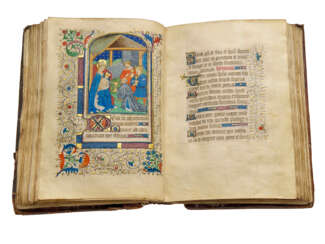

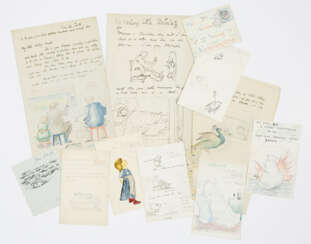

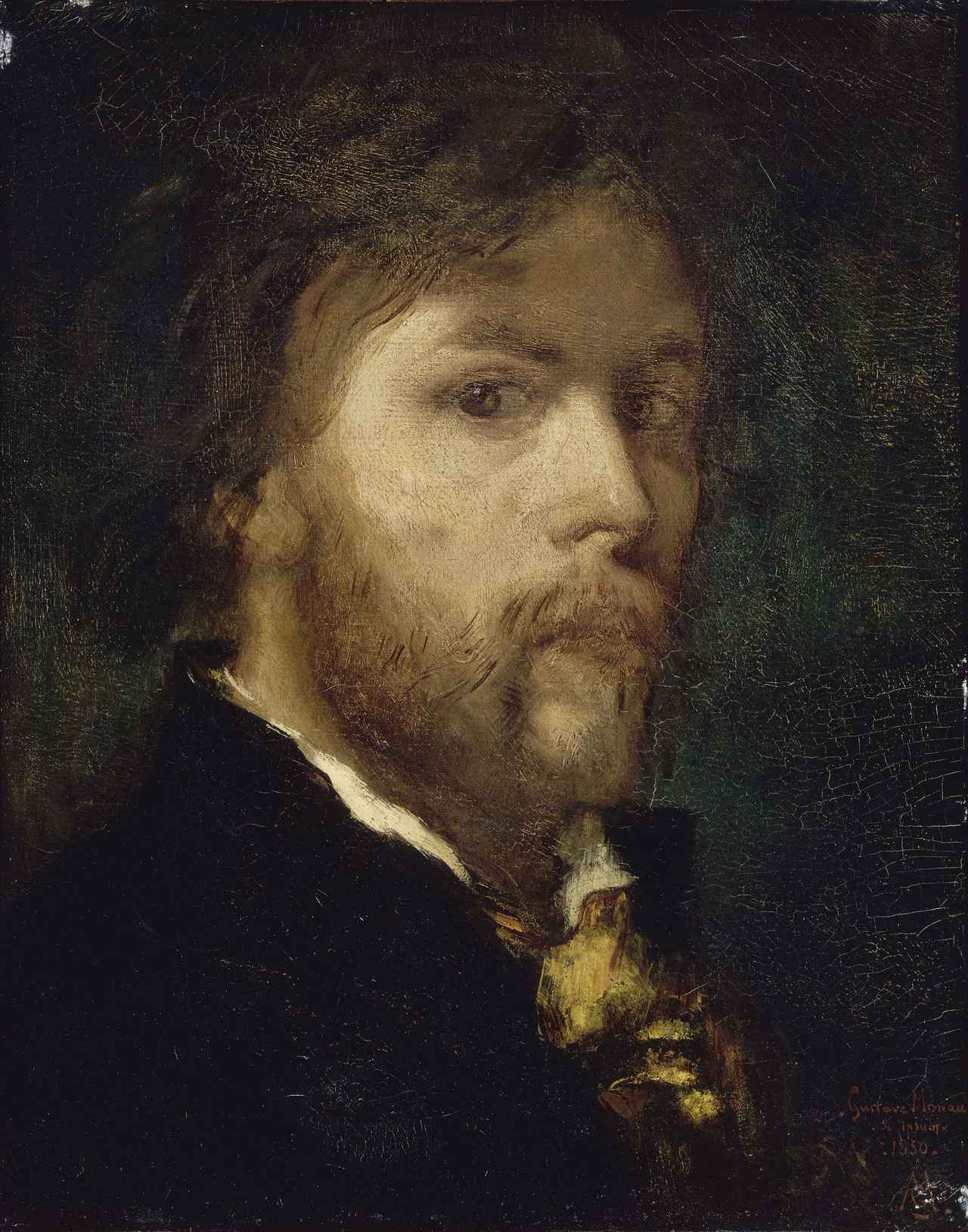
Gustave Moreau was a French artist and an important figure in the Symbolist movement. Jean Cassou called him "the Symbolist painter par excellence". He was an influential forerunner of symbolism in the visual arts in the 1860s, and at the height of the symbolist movement in the 1890s, he was among the most significant painters.


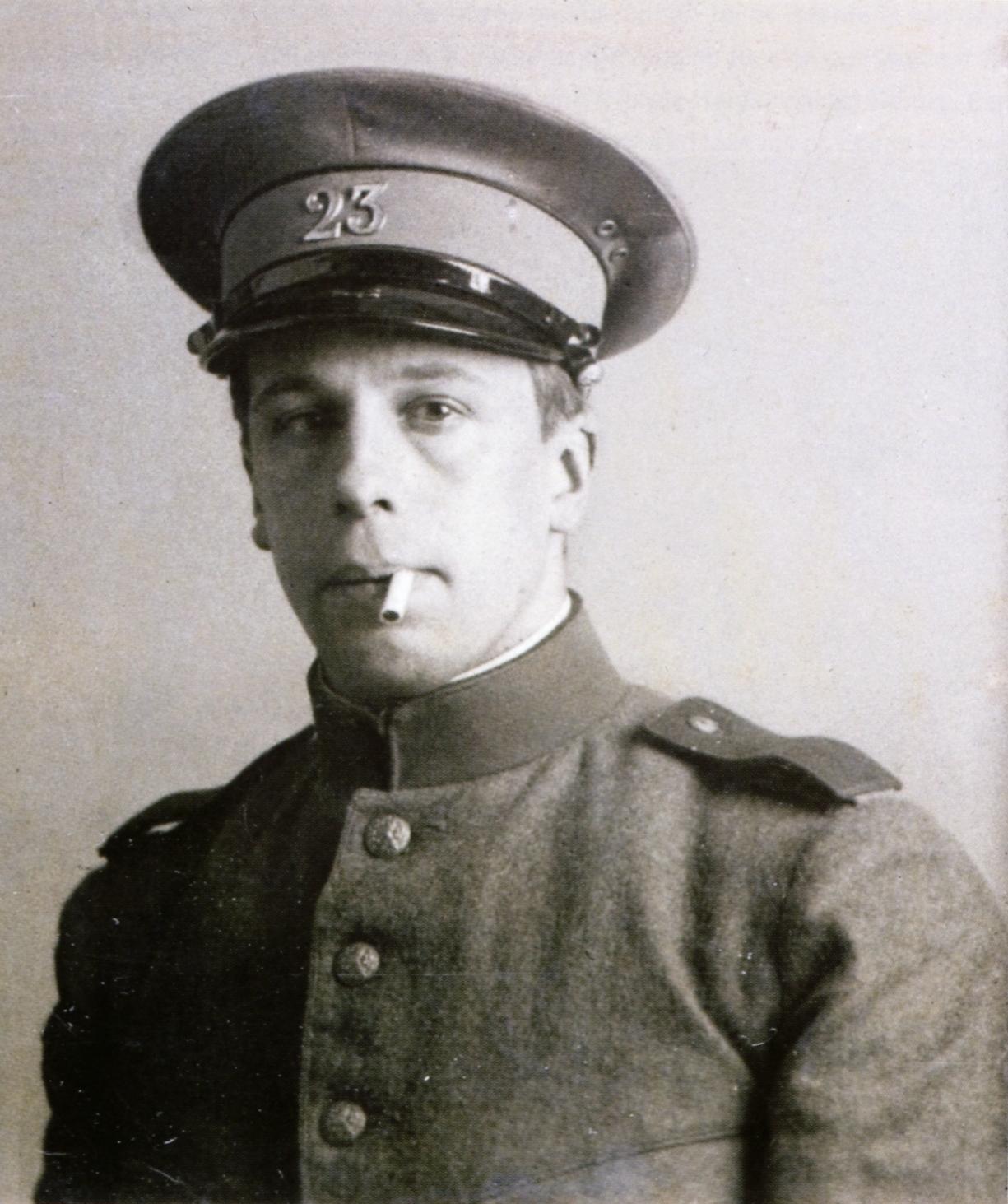
Theo van Doesburg, real name Christian Emil Marie Küpper, is a Dutch painter, architect and sculptor, art theorist, co-founder of the Style Group and of Neoplasticism.
Theo van Doesburg co-founded with Piet Mondrian the De Stijl abstract art movement. The basis of van Doesburg's views was the attempt to reduce all forms of objective harmony in a work of art to certain geometric elements. These new principles soon had a significant influence on the development of architecture, literature, graphics and music.